With plenty of free photography tutorials, YouTube videos, and social media groups out there, what could a photography club offer that you can't already find online?
As someone who participated in photography communities before starting my business and has spent over a decade working as a commercial product photographer, I think photography clubs offer something that's easy to overlook.
The real value is having a place to share your work, experiment, connect with others, and keep photography a part of your life.
Of course, not every club will be the right fit. Let's look at what makes them worthwhile, who can benefit, and how to find a community you'll enjoy.
What Is a Photo Club?
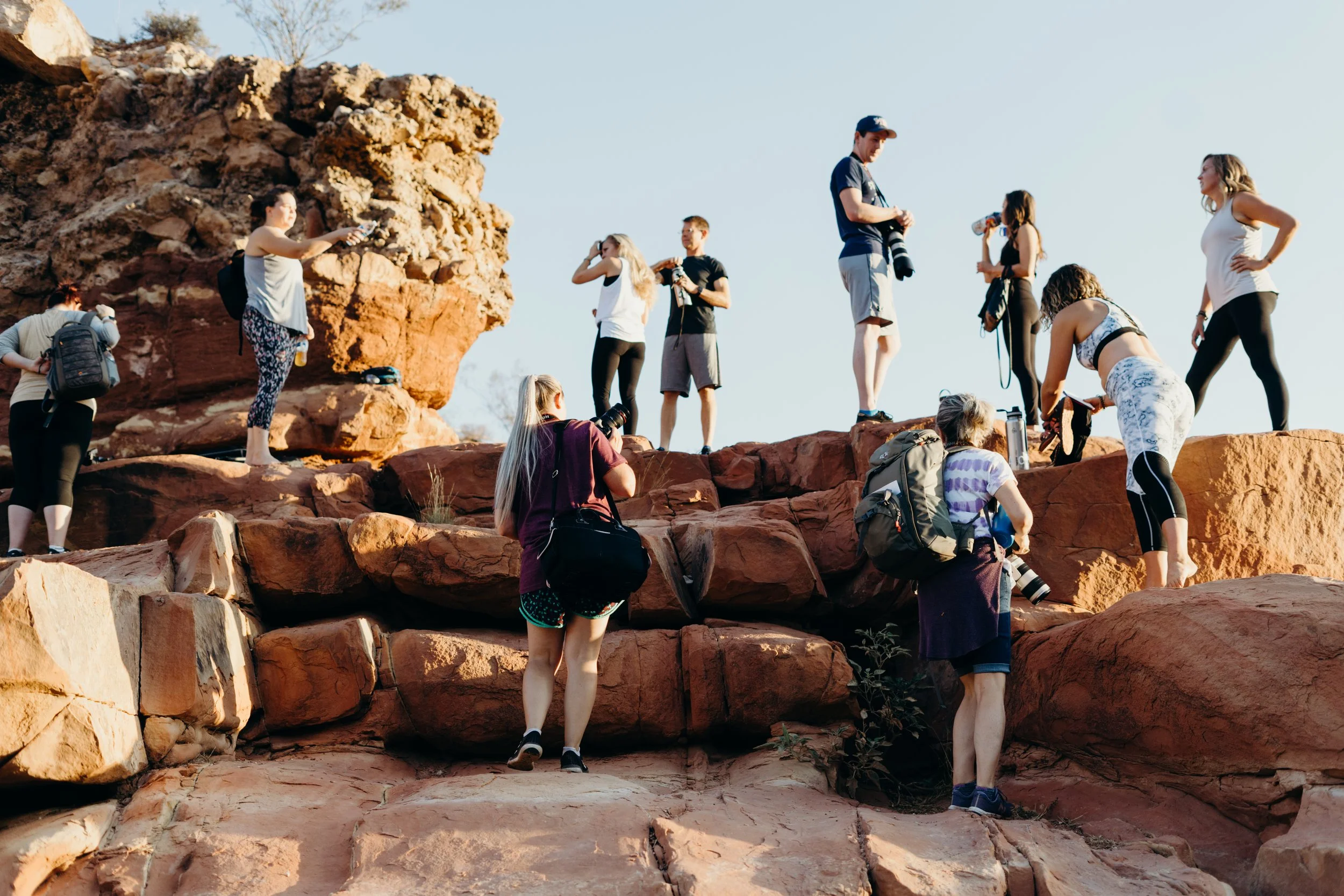
It’s a photo community where people gather around a shared interest in photography. Depending on the group, members might participate in photography challenges, share their work, ask questions, exchange feedback, attend livestreams, or simply connect with other people who enjoy taking pictures.
Some clubs focus on education, while others prioritize creative exploration and community. Some welcome complete beginners, experienced professionals, and everyone in between.
7 Reasons Photography Clubs Are Worth Joining
1. You Have a Place to Share Your Work
When I participated in photography communities, I enjoyed having a dedicated place to share my photos with people who understood what I was doing.
You can talk about your creative choices, ask questions, or simply enjoy seeing what others are making. Unlike social media, where algorithms influence who sees your work, a dedicated community gives you a place to participate without worrying about likes or followers.
You don't have to be a professional or feel particularly confident in your skills. You can share something you're proud of, something you're experimenting with, or something you're still figuring out.
2. You Get Accountability to Keep Creating
Photography challenges can give you a reason to pick up your camera or phone, especially when you're not sure what to photograph.
Back when Flickr was a major gathering place for photographers, I participated in Project 365, a challenge to take a photograph every day for a year. Having a shared project gave me a reason to keep photographing alongside others working toward the same goal.
You don't need a yearlong commitment to experience the benefits. Even a monthly challenge can help you get past a creative block or try something you might not otherwise have considered.
3. You Can Make Real Friendships
Some of the most meaningful things to come out of photography clubs have nothing to do with photography itself.
Through Flickr, I made online friends, some were actually local. I've also made several friendships through photography communities over the years, and I've seen lifelong friendships develop both online and in person.
Sharing an interest gives you a natural starting point for connection. Over time, those conversations can grow into friendships that extend well beyond photography.
4. You Can Learn From Other Photographers
When I was learning photography, I appreciated the genuine advice and encouragement I received from other photographers. Having people who supported my interest and challenged my perspectives helped keep me going as I developed my skills.
A photography club gives you opportunities to ask questions, learn from others' experiences, and discover new approaches. You can also learn by seeing how other people interpret the same subject or challenge.
But the quality of that experience depends on the community. There's a difference between offering constructive advice and criticizing someone's work because it doesn't match your personal preferences.
A good photography community recognizes that there's more than one way to make a photograph.
5. You Can Rediscover Your Creative Spark
I think this is one of the biggest reasons photography clubs are valuable, even for experienced photographers.
When photography becomes your job, it's easy to focus solely on creating for clients rather than yourself. You follow a brief, meet a deadline, and move on to the next project.
Having a place to experiment without those expectations can be refreshing.
A challenge might encourage you to photograph an unfamiliar subject, try a different style, or see an ordinary object in a new way.
I think that kind of creative play matters whether you've been photographing for three months or thirty years.
6. You Can Find Support During Difficult Seasons of Life
Photography can be more than a hobby or profession. It can also provide a creative outlet when life feels difficult.
I've seen how photography challenges can give people something to focus on during challenging times. I know of someone fighting illness who has used creative challenges to help them through, even though they don't identify as a photographer.
Having a small assignment can give you something to look forward to, encourage you to notice your surroundings, or offer a break from everything else you're experiencing.
A photo club isn't a substitute for professional mental health support, but a welcoming creative community can offer a meaningful source of routine, connection, and encouragement.
7. You Can Feel Like You Belong Somewhere
You don't need expensive equipment, a large social media following, or plans to turn photography into a career.
You just need to enjoy taking pictures and want a place where that interest is shared.
It's having people who understand why you get excited about a particular kind of light, who enjoy seeing what you're creating, and who encourage you to keep exploring.
Who Are Photo Clubs Really For?
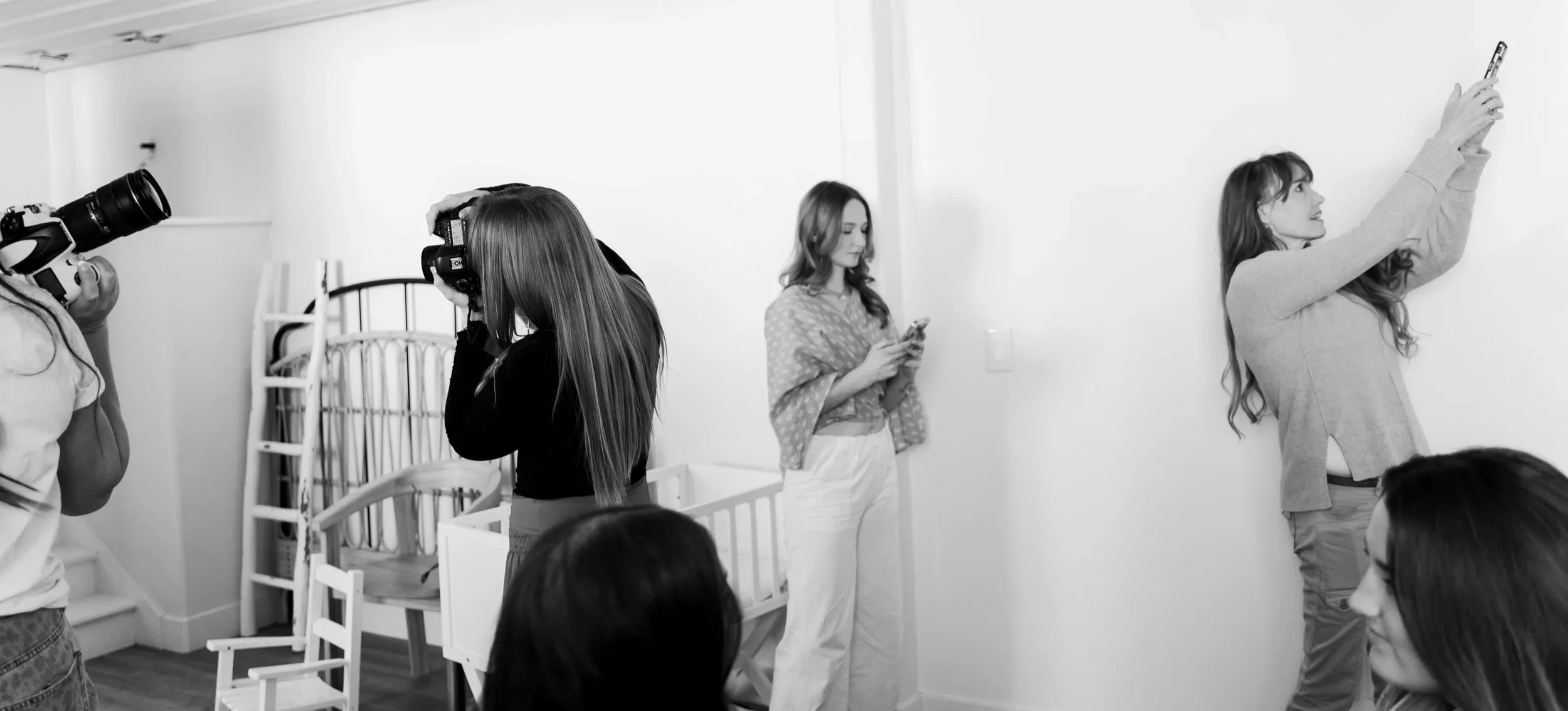
Photography clubs can benefit people at almost any stage of their creative journey.
For Beginner Photographers
A photography club gives you a place to ask questions, learn from others, and become more comfortable sharing your work.
When you're new, it's easy to feel like everyone else knows something you don't. A supportive community can remind you that learning is an ongoing process, even for experienced photographers.
Look for a group that welcomes questions and encourages experimentation without making you feel like you need to master every technical concept before participating.
For Hobbyist Photographers
If you enjoy photography but don't want to turn it into a business, a club can help keep the hobby interesting.
Challenges encourage you to photograph familiar subjects differently, explore new ideas, and make time for photography. You can also enjoy the social side without needing to pursue a particular level of achievement.
For Professional Photographers
Experienced photographers need creative outlets, too.
When you're regularly creating for clients, your work is often shaped by someone else's goals. A photography club can give you a reason to experiment and make photographs just for yourself.
It's also an opportunity to connect with people who understand the challenges of working in photography. Sometimes, what you need is a creative push and a group of people who understand why making personal work matters.
For People Who Don't Consider Themselves Photographers
You don't have to identify as a photographer to enjoy a photo club.
Maybe you like taking pictures on your phone, enjoy creative activities, or want an assignment to help direct your energy.
Photography challenges offer a starting point without requiring a particular skill level. You can interpret a prompt however you like, use whatever camera you have, and enjoy the process without worrying about whether you're doing it right.
When Is a Photo Club Not Worth Joining?
Some have red flags. The experience depends on the people, the group's culture, and whether its activities align with what you're looking for.
When Members Criticize Instead of Encourage
One of my biggest frustrations with photography groups is the tendency for some people to act like know-it-alls.
Photography is full of opinions, but some photographers treat their preferences as rules everyone else should follow. They criticize work that doesn't fit their idea of how photography should be done, which can make people hesitant to share.
Constructive feedback has its place, especially when someone asks for it. But there's a difference between helping someone explore their options and making them feel wrong for making a different creative choice. Or for simply working with what they have.
A good community leaves room for people to develop their own styles and perspectives.
When Everything Is About Tutorials
Photography education is useful, but I don't think a club needs to revolve entirely around teaching.
Creativity also grows through play, curiosity, and conversations about life outside photography. Books, music, personal experiences, and everyday observations can all influence what we create.
Sometimes, you need room to explore those interests before they find their way into your photographs. A community that encourages creative conversation can offer something a library of tutorials can't.
When You Don't Feel Connected to the Community
A club might have excellent resources and interesting challenges but still not feel right for you.
Perhaps the conversations don't interest you, the atmosphere doesn't suit you, or the group's approach to photography differs from yours.
You don't have to force yourself to fit into every community you encounter. The right club for someone else might not be the right one for you.
How to Choose a Photo Community You'll Enjoy
Look beyond the list of benefits and activities. Pay attention to the people, the atmosphere, and the kind of creative experience the community encourages.
Find Someone Who Feels Like Your Kind of Person
I'd start by looking for someone you connect with who is part of the club, or who is leading it.
Do they seem encouraging? Do they welcome different perspectives? Does their approach make photography feel approachable, or intimidating?
The person leading a community often has a significant influence on its culture. Finding someone whose personality and values resonate with you can be a good indication that you'll enjoy the experience.
Explore Their Content Before You Join
Look at public content from the club or the person who runs it. Check instagram, blogs, YouTube, or whatever else.
Do their available resources spark ideas? Do their posts make you curious to try something? Do you enjoy the way they talk about creativity?
If their existing content already feels like your kind of thing, the community might be a good fit. For example, if you're looking for creative exploration, a club that regularly shares interesting prompts might appeal to you more than one focused almost entirely on technical tutorials.
Look at the Activities, Not Just the Promises
Think about what you'd actually like to participate in. Depending on the club, activities might include:
Photography challenges: Prompts that give you an idea to explore.
Photo-sharing spaces: Places to share your work and see what others are creating.
Community discussions: Conversations about photography, creativity, and everyday life.
Feedback and advice: Opportunities to ask questions and receive constructive input.
Live gatherings: Virtual meetups or creative sessions.
Educational resources: Tutorials and demonstrations suited to your interests.
You don't need a club that offers everything. Focus on the activities you'll genuinely enjoy and use.
Consider Whether You Want Structure, Community, or Both
Ask yourself what you're hoping to get out of the experience.
Do you want to improve your technical skills, find accountability, meet other photographers, or have creative assignments to work on?
If you're looking for technical instruction, an educational membership might be the right choice. If you want a creative outlet and people to share it with, a community that prioritizes challenges and connection might serve you better.
The goal is to find a club that supports the kind of relationship you want to have with photography.
Make Sure the Cost Makes Sense for You
Some photography clubs are free, while others charge a fee.
A paid club isn't automatically better than a free one. Consider whether the activities, resources, and community offer something meaningful enough to justify the cost.
Your available time and energy matter, too. A membership can sound appealing, but if you won't have the capacity to participate, a free community or more flexible option might be a better fit.
So, Are Photo Clubs Worth Joining?
Yes, they can help you stay accountable, explore new ideas, build friendships, and find encouragement when you're struggling creatively. They can also give you a place to create for yourself when so much of your time is spent creating for other people.
Look for people who encourage you, activities that spark your curiosity, and a culture that leaves room for different perspectives.
Ultimately, a photography club should help you enjoy being a photographer, whatever that means to you.
